How to grow elephant garlic in the UK
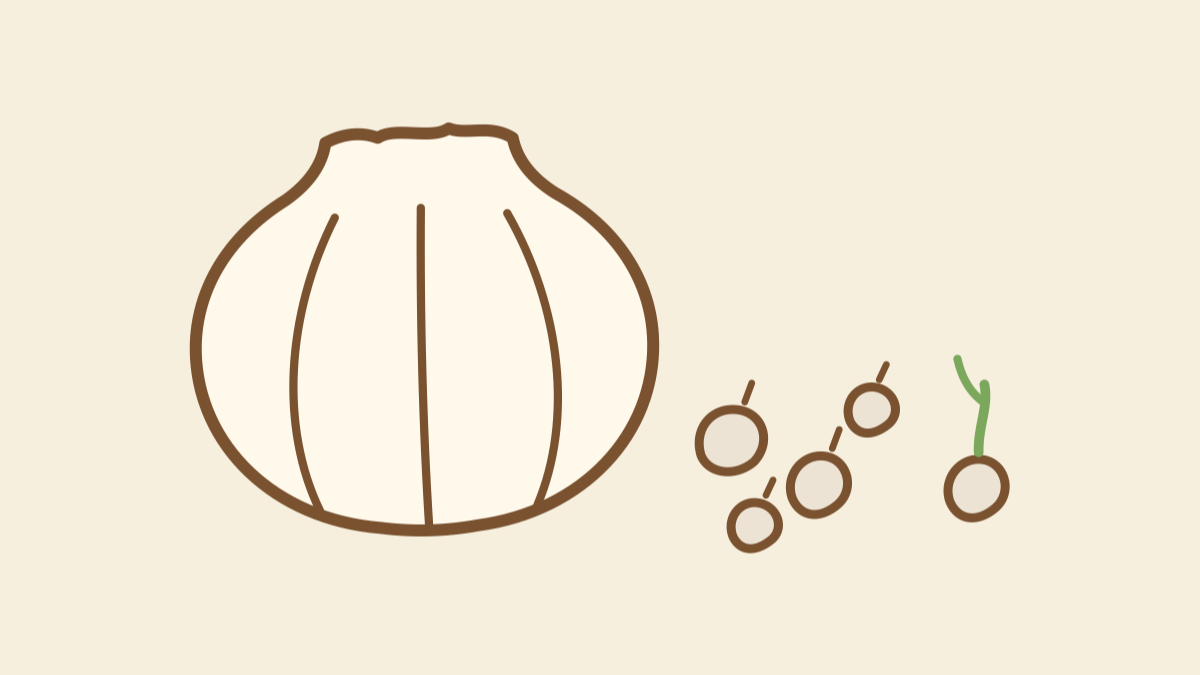
Elephant garlic is the easiest impressive thing you can grow. It isn’t true garlic — it’s a close cousin of the leek (Allium ampeloprasum) that builds one enormous, mild bulb instead of a fistful of fierce little cloves. Plant it right, and next July you’ll be hauling absurd, fist-sized bulbs out of the ground and texting photographs to everyone you know.
It grows happily in an open Lincolnshire field with no polytunnel, no fleece and no special treatment. Here’s the whole method.
Plant in October. Not spring. October.
The single mistake that ruins more elephant garlic than anything else: planting in spring.
The clove needs a proper cold spell in the ground to split into a full bulb — the botanists call it vernalisation, I call it winter. Skip it and you’ll harvest one big solid round instead of a bulb of fat cloves. Fine to eat, but not the monster you were promised.
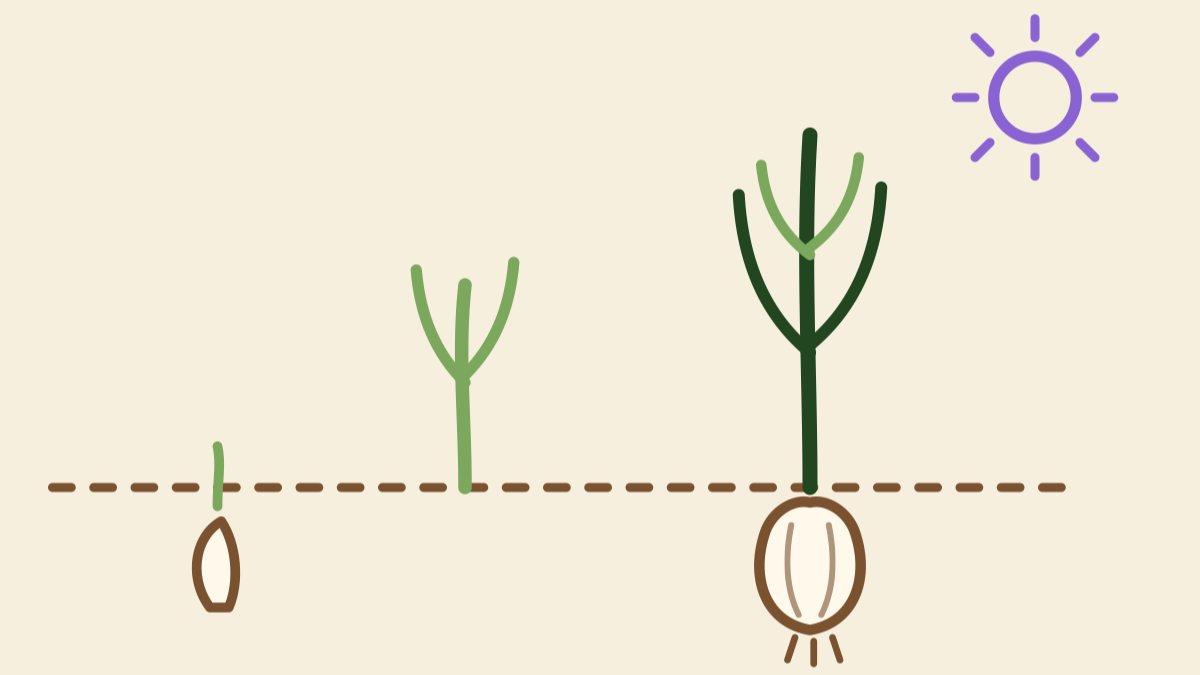
Get cloves in between early October and mid November, before the ground locks up. The clove sits through winter, sends up a green shoot that shrugs off frost, and gets going properly in spring. (When to plant has the full timing logic, plus a month-checker for latecomers.)
Depth, spacing, soil
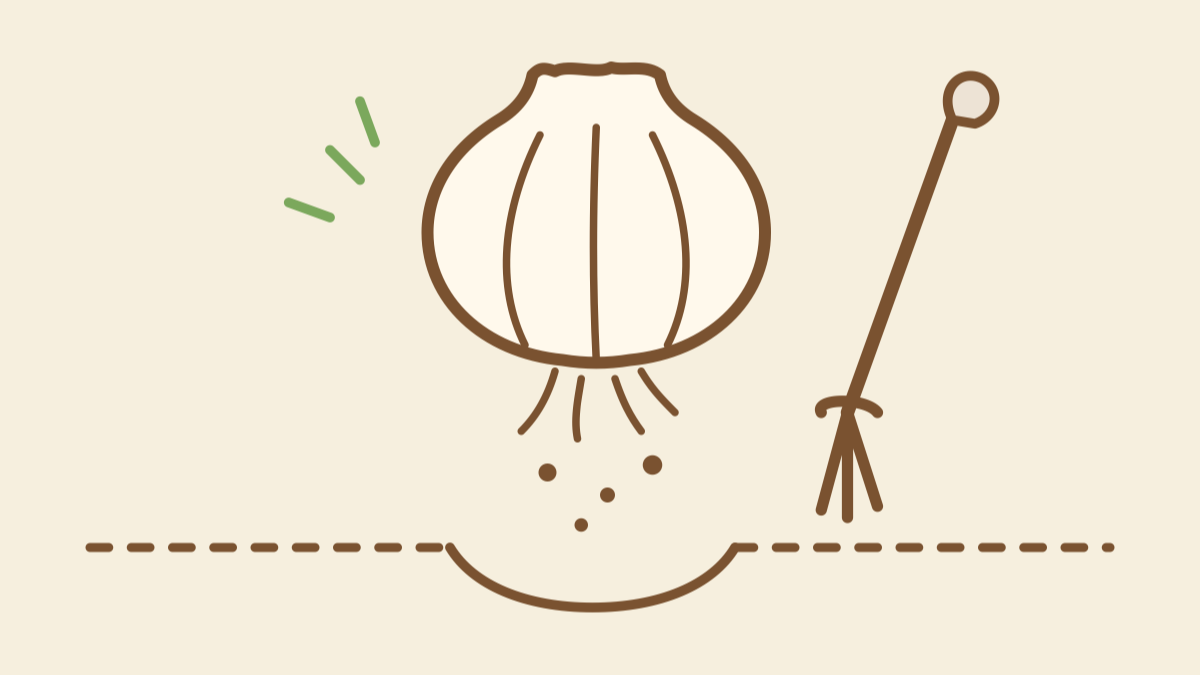
The whole recipe:
- Depth: 5cm, pointy end up
- Spacing: 20cm apart, rows 30cm apart if you’re doing more than a few
- Soil: free-draining, in the sunniest spot you’ve got
- Feeding: a handful of compost in the planting hole — that’s the only luxury it needs
It isn’t fussy. If your ground grows decent onions or leeks, it’ll grow elephant garlic. The one thing it genuinely hates is sitting in waterlogged soil all winter — if your plot puddles, plant into a ridge or a raised bed and it’ll be perfectly happy.
Clove size in is bulb size out
This is the bit the catalogues don’t tell you: big cloves grow big bulbs. A mean little clove will grow you a mean little bulb, whatever you do for it. It’s why the seed cloves sold here are graded off the biggest bulbs of the season — there’s no trick to giant garlic beyond starting with the genetics and giving it time.
Then mostly leave it alone
Through winter: nothing. The shoots sit there looking unbothered by frost. That’s normal, and half the charm.
From spring:
- Weed around it. The only regular job. Alliums hate competition more than they hate weather.
- Water in dry spells from April to June — this is when the bulb is swelling, and a thirsty June is the difference between big and enormous.
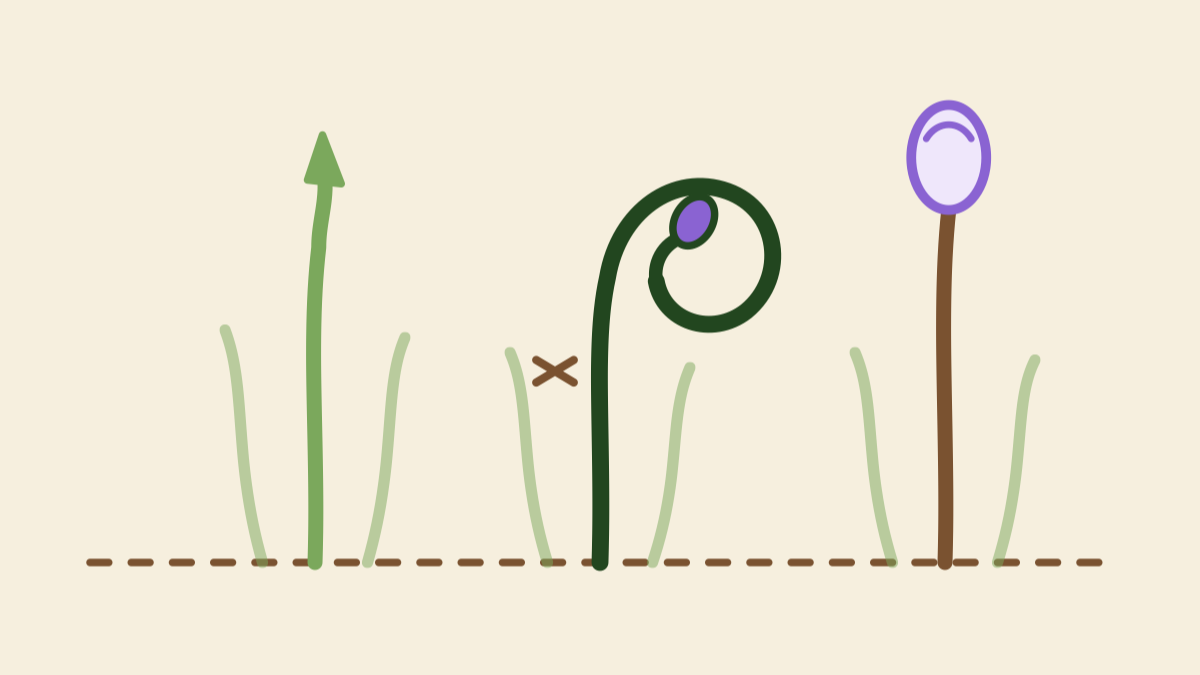
- Cut the scapes in May. The plant throws up a curly flower stalk; snap it off so everything goes into the bulb instead. And don’t compost them — scapes are the best vegetable you can’t buy in a supermarket. The scapes guide shows exactly when to cut (there’s a curl to read) and the three best things to do with them.
Feeding, water and neighbours
Elephant garlic wants full sun and asks for surprisingly little else. Feeding: compost at planting is the meal; if growth looks pale in early spring, a light general feed helps, but rich living makes leaves, not bulbs. Water: nothing all winter, then generous drinks through April–June dry spells — the swelling months. Stop watering entirely a fortnight before lifting so the bulbs firm up.
Companions: it’s a good neighbour — the allium scent confuses carrot fly and deters aphids, so carrots, beetroot and brassicas enjoy the company. Keep it away from beans and peas (alliums and legumes sulk together), and don’t follow onions, leeks or garlic in the same ground two years running — rotate, or diseases accumulate.
The growing year, month by month
| When | What’s happening | Your job |
|---|---|---|
| Oct–Nov | Cloves in, roots forming | Plant: 5cm deep, 20cm apart |
| Dec–Feb | Shoots sit through frost, unbothered | Nothing. Genuinely. |
| Mar–Apr | Rapid leaf growth | Weed; water if dry |
| May | Scapes curl up | Cut them; eat well |
| June | Bulbs swelling fast | Water in dry spells; stop mid-month |
| July | Lower leaves yellow, plants lean | Lift and cure |
| Aug–Sep | Bulbs curing, papery and fragrant | Trim, store, save the best bulbs for seed |
Harvest: July, when the leaves flop
By early July the lower leaves start to yellow and the whole plant leans over. That’s the signal. Ease a fork under — well under, the big ones sit deeper than you think — lift, and try to look modest about it.
dig carefully. you will not believe how deep the big ones sit.
Don’t yank it out by the stem, and don’t wash it. Shake the soil off and get it somewhere airy.
Curing: the fortnight that makes it keep
Fresh garlic is lovely but it won’t store. To keep bulbs until Christmas and beyond, cure them: lay them out (or hang them) somewhere dry, shaded and airy for two to four weeks, until the outer skins go papery and the neck feels dry. Racks in a barn are the classic; a shed, garage or covered porch does the same job.
Cured properly, a whole bulb keeps two to three months somewhere cool, dry and dark. Not the fridge — the fridge tells it winter’s come and it starts trying to sprout. (The harvest, curing & storage guide goes deeper, including a readiness checker and the full keeping table.)
What can go wrong (not much)
- Rust — orange speckles on the leaves in a wet year. It looks alarming and mostly doesn’t matter; the bulb finishes anyway.
- Rounds instead of bulbs — you planted too late or too shallow, or the clove was small. Eat the round, or replant it in autumn and it’ll split next year. (Rounds, the mysterious corms, and every other oddity are diagnosed in the problems guide.)
- Slugs — barely touch it. The allium smell sees them off better than anything you can buy.
That’s genuinely the list. It’s one of the most forgiving crops you can grow.
The short version
Plant a fat clove 5cm deep and 20cm apart in October. Weed it, water it in dry spells, cut the scape in May, lift in July, cure for a fortnight. That’s the entire art.
If you want to grow your own monster, the autumn seed drop is here — hand-graded cloves, in the ground by November. If you’d rather skip the year of waiting and just eat the thing, the July culinary drop is for you — and the recipes guide shows what a kitchen does with one. New to the crop entirely? Start with what elephant garlic actually is.