How to cook elephant garlic: uses & recipes
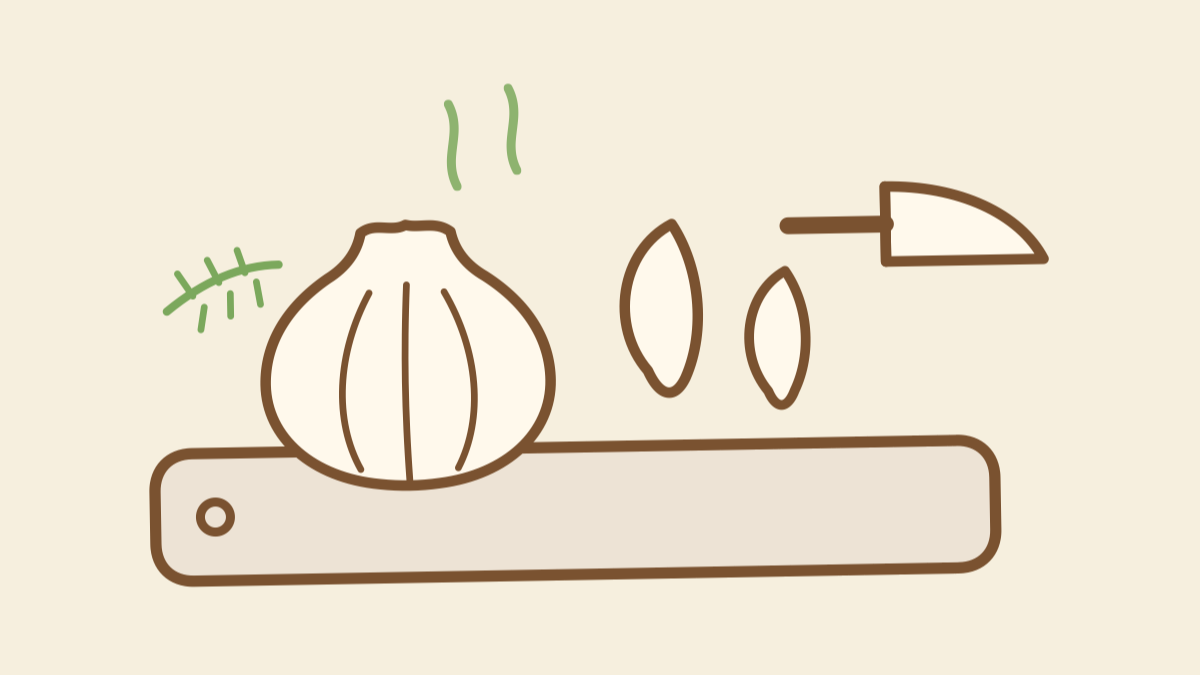
Elephant garlic is what happens when garlic stops being a seasoning and becomes a vegetable. Because it’s mild — it’s a leek relative, not true garlic — you cook it in quantities that would be an act of aggression with regular garlic: whole roasted bulbs, cloves confit by the jarful, slabs of it raw in a salad. One clove genuinely covers a roast dinner for the table.
Here’s the house repertoire, the substitution maths, and the answers to the strange things it does in a pan.
Swapping it into normal recipes
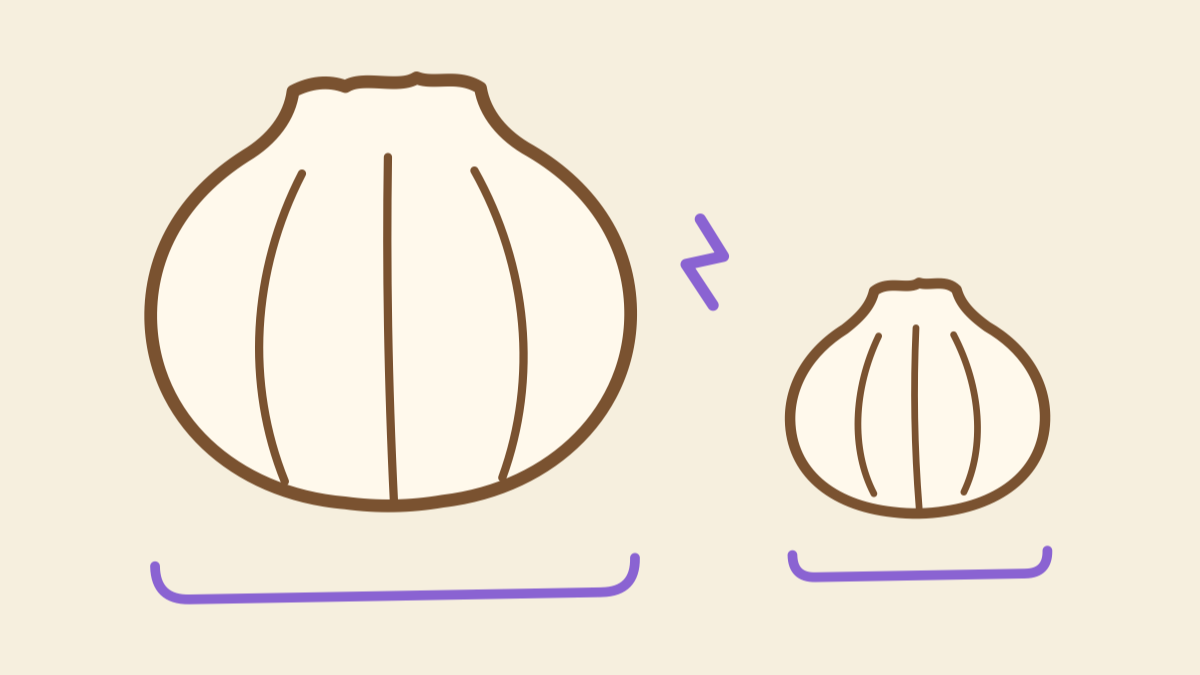
Assumes an average elephant clove of ~40g vs ~5g regular. Garlic isn't laboratory work — taste and adjust.
Going the other way — a recipe calls for elephant garlic (or aglione) and you only have regular — use 2–3 regular cloves per elephant clove and expect a sharper result.
The repertoire
Roast it whole. The signature move and the reason to buy the bulb: an hour in the oven turns the whole thing into sweet, spreadable gold. Timings by bulb weight, foil-vs-naked, and the air-fryer method all live in the roasting guide.
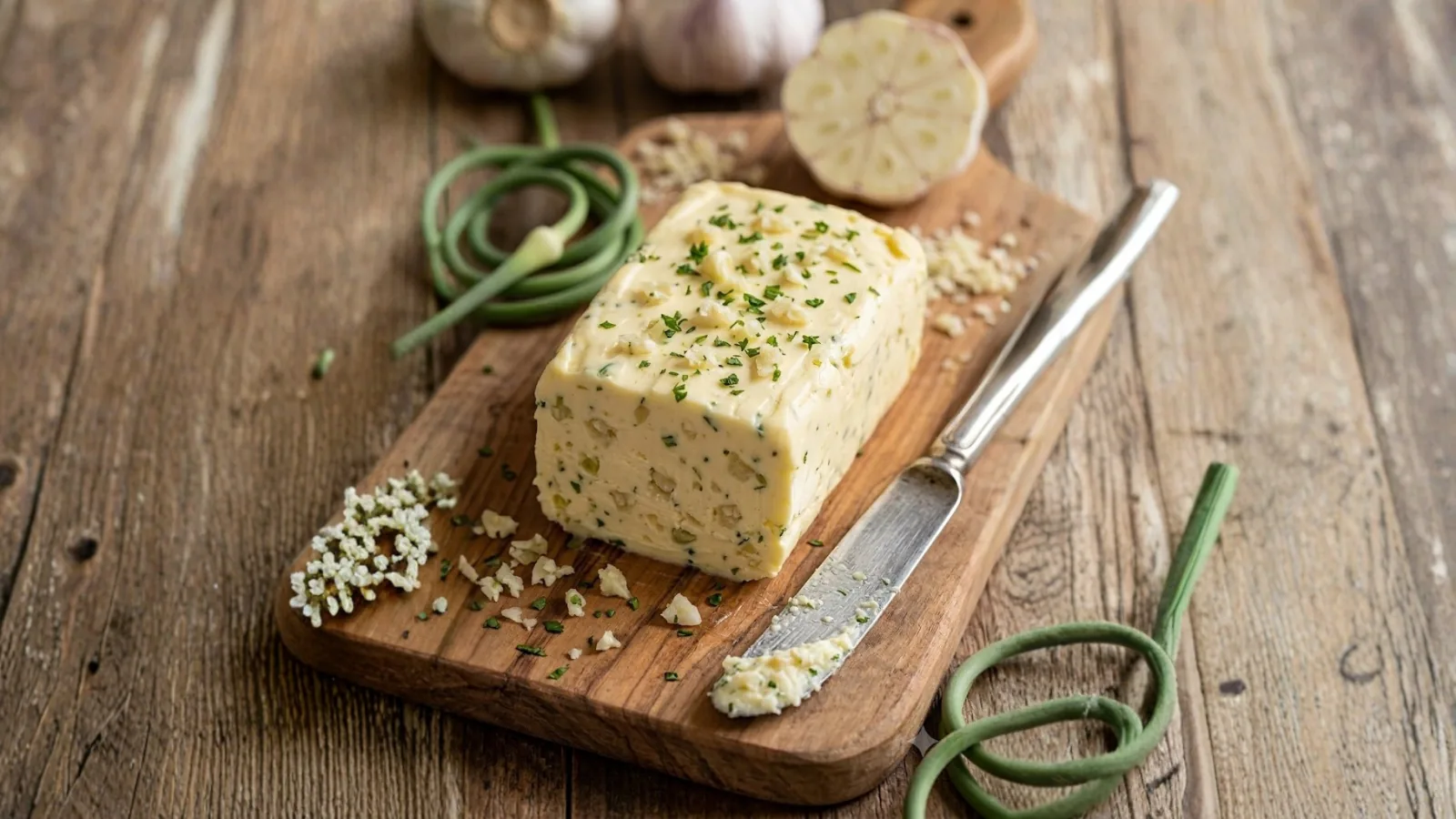
Garlic butter, but big. Mash a roasted clove (or two) into 250g of good salted butter with a squeeze of lemon. On sourdough, on steak, on greens, stirred through mash. Rolls into a log and freezes for months of instant flavour. Full method: elephant garlic butter.
Confit cloves. Peel a bulb’s worth, cover with olive oil in a small pan, and hold at the barest murmur for 45 minutes until they’ll squash under a spoon. Cloves the size of a thumb, spreading like jam. Keep the jar refrigerated and use within a week — oil-and-garlic at room temperature is a genuine botulism risk, so cold, always. Full method: elephant garlic confit.
Raw, shaved. Elephant garlic raw is crisp, juicy and gently warm — mandoline it over tomatoes, into a winter slaw, or onto anything with anchovies. Yes, it can be eaten raw: it’s the one allium mild enough to treat like radish.
Whipped into mash. Simmer two or three peeled cloves in with the potatoes, then mash the lot together. Garlic mash without the aggression — this is the version people who “don’t like garlic” ask seconds of.
On pizza and pasta. Sliced thin it roasts sweetly on a pizza in the oven’s blast; for pasta, the Tuscan classic pici all’aglione is essentially spaghetti in a tomato sauce built on this exact plant. Slice, sweat gently in oil, add tomatoes, simmer long.
Scape pesto — for a few weeks in late spring only, the flower stems make the best pesto of the year. The scape pesto recipe has the method; the scapes guide covers when to cut them.
Kitchen chemistry (the weird stuff, explained)
Why has my elephant garlic turned blue/green? Sulphur compounds in the clove react with acids (vinegar, lemon, wine) and trace minerals to form harmless blue-green pigments — the same chemistry behind Chinese “Laba” pickled garlic, where the colour is the goal. Startling, safe, and slightly more common in elephant garlic than regular. Eat it proudly.
Why is it bitter? Almost always heat. Scorched at high temperature — especially thin slices in a hot pan — the sugars burn and turn acrid, and a bulb roasted too hot and fast does the same. Low and slow is the whole technique. (A green shoot in the middle of an older clove adds bitterness too; split the clove and flick it out.)
Can it be frozen? Yes — peeled cloves freeze fine for cooking (6+ months), and roasted flesh frozen in cubes is the single most useful thing in the freezer door. Texture softens, so frozen cloves are for cooking, not shaving raw. More storage detail in the harvest & storage guide.
One serious note: like all alliums, elephant garlic is toxic to dogs and cats — and these cloves are big doses. Cooked scraps included. Keep it out of the dog bowl, however soulful the eyes.
The short version
- Treat it as a vegetable, not a seasoning: roast whole, confit, mash, shave raw.
- Substituting: 1 regular clove ≈ ¼ elephant clove cooked, ⅖ raw.
- Blue-green in acid is harmless chemistry; bitterness means too much heat.
- Confit lives in the fridge; freezer cubes of roasted flesh are liquid gold; nothing goes to the dog.
The bulbs built for all this — barn-cured, fist-sized — ship with the July culinary drop. And if you’d rather grow your ingredient from scratch, the whole method starts here.