When to pick elephant garlic: harvest, curing & storage
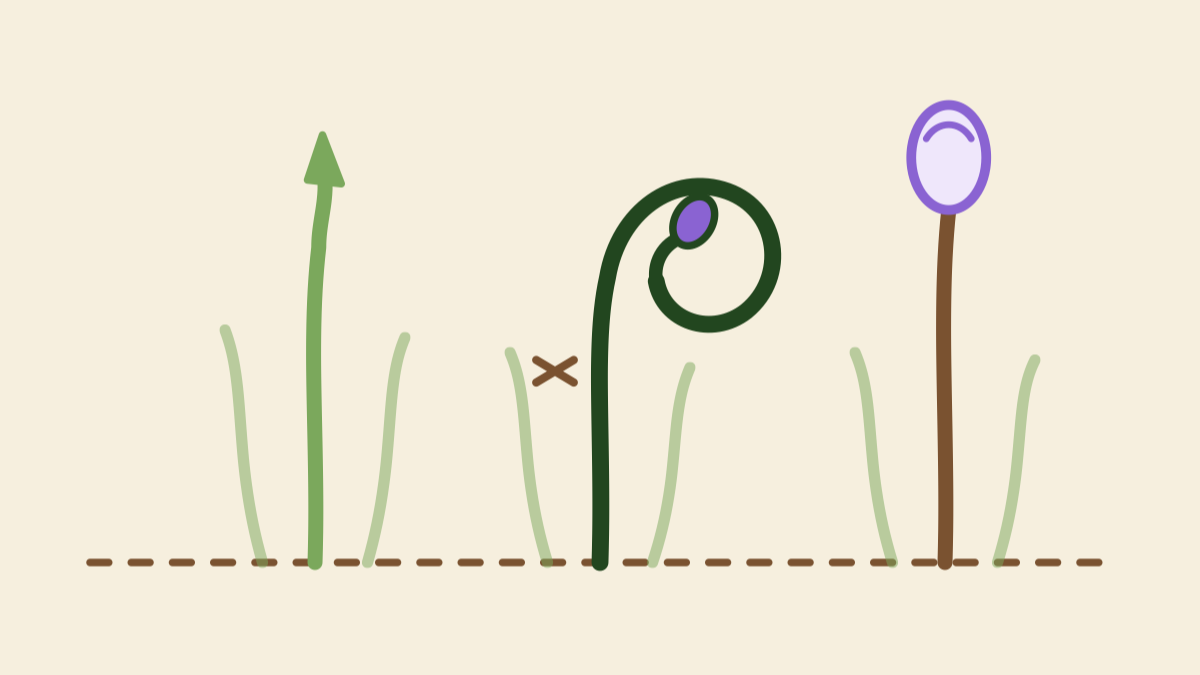
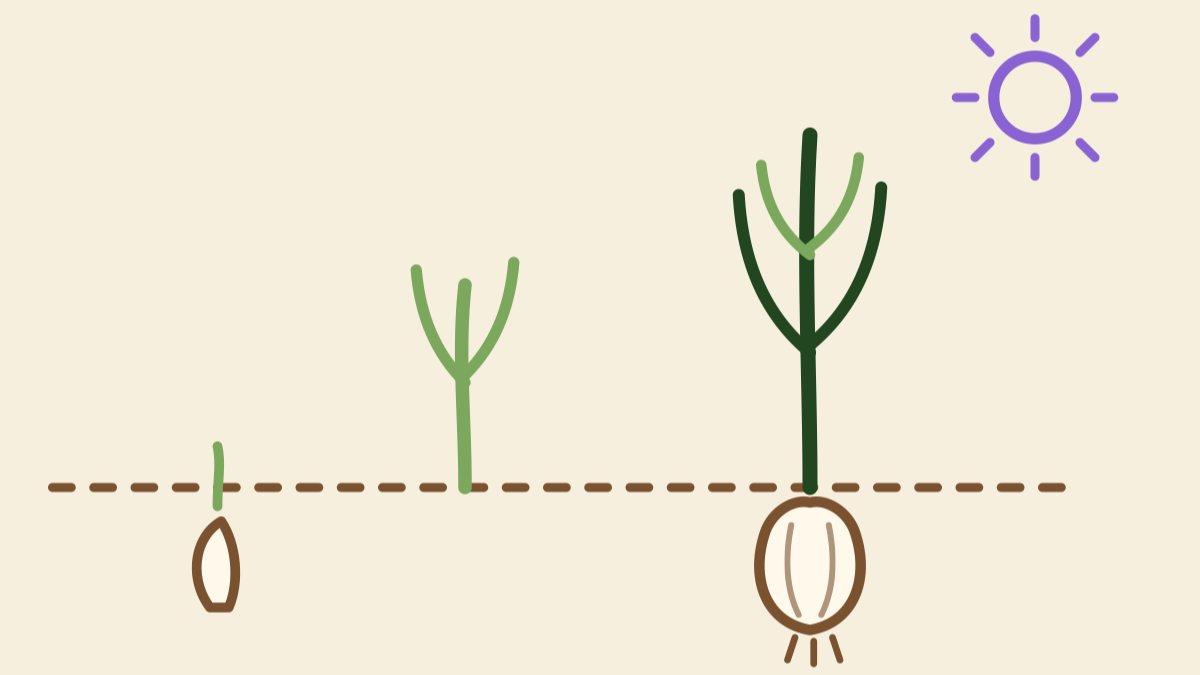
Pick elephant garlic in early to mid July in most of the UK — the moment the bottom two or three leaves have yellowed and the whole plant starts to lean. Lift too early and the bulb hasn’t finished swelling; too late and the cloves start to split apart in the ground, which ruins their keeping. July is the month, the leaves are the signal, and everything else in this guide is detail.
(Autumn-planted crops only — which they should be. If yours went in during spring, expect rounds rather than bulbs, on the same July schedule.)
Is it ready? The five signs
Verdict appears here.
How to lift without heartbreak
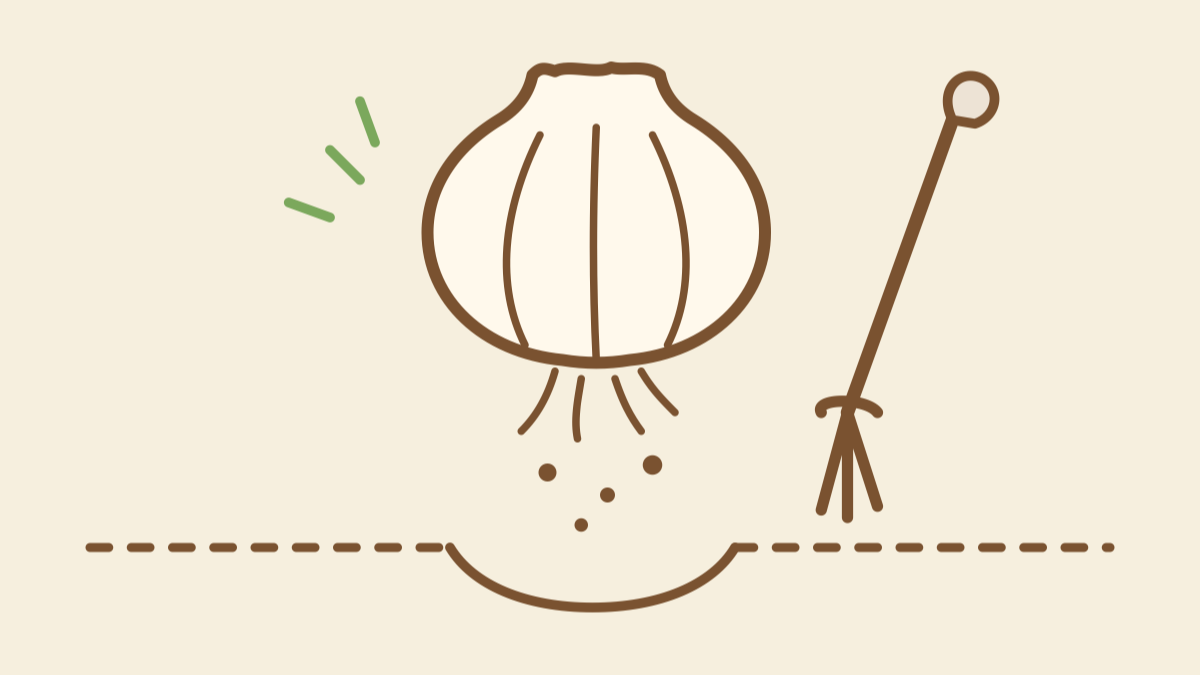
Never pull elephant garlic by the stem — the neck tears, and a torn neck won’t cure or keep. Instead:
- Pick a dry day, ideally after a dry week. Wet bulbs cure badly.
- Fork well back from the plant — 15cm or more. The big bulbs sit deeper than seems reasonable, and a fork through a 500g bulb is a genuinely painful moment.
- Lever, don’t yank. Loosen until the bulb comes up in your hand with the soil’s consent.
- Brush, don’t wash. Knock the loose soil off and leave the rest; washing invites rot. Nobody’s judging a muddy bulb.
- Keep the roots and stem on — both feed the bulb during curing.
lift a test bulb first. one sacrificial monster saves a whole row of guesswork.
Curing: the fortnight that makes it keep
Fresh-lifted garlic is delicious but it’s a perishable vegetable. Curing — two to four weeks somewhere dry, shaded and airy — is what turns it into a keeper: the outer skins go papery, the neck dries and seals, and the bulb settles in for months of storage. Racks in a barn are the classic; a shed, garage, spare room or covered porch all work. What matters is airflow and no direct sun. It’s done when the wrappers rustle like paper and the neck feels dry right through — then trim the stem to ~3cm, trim the roots, and brush off the last soil.
How long does elephant garlic keep?
| How it’s kept | Expect |
|---|---|
| Cured, whole, cool-dry-dark cupboard | 2–3 months |
| Cured, whole, somewhere warm or humid | Weeks — it’ll sprout or soften |
| Broken into cloves | ~3 weeks; use them up |
| In the fridge, whole | Don’t — it thinks winter’s come and sprouts |
| Cloves peeled & frozen | 6+ months (fine for cooking; texture softens) |
| Roasted then frozen | 3 months of instant garlic butter — see the roasting guide |
| Confit in oil, fridge | 2–3 weeks (keep refrigerated, always) |
The one storage villain is the fridge — cold plus humidity is a germination signal and a mould invitation. Cool, dry, dark, whole: that’s the formula. If a bulb ever goes soft or shows blue-green mould at the base, it’s compost, not dinner.
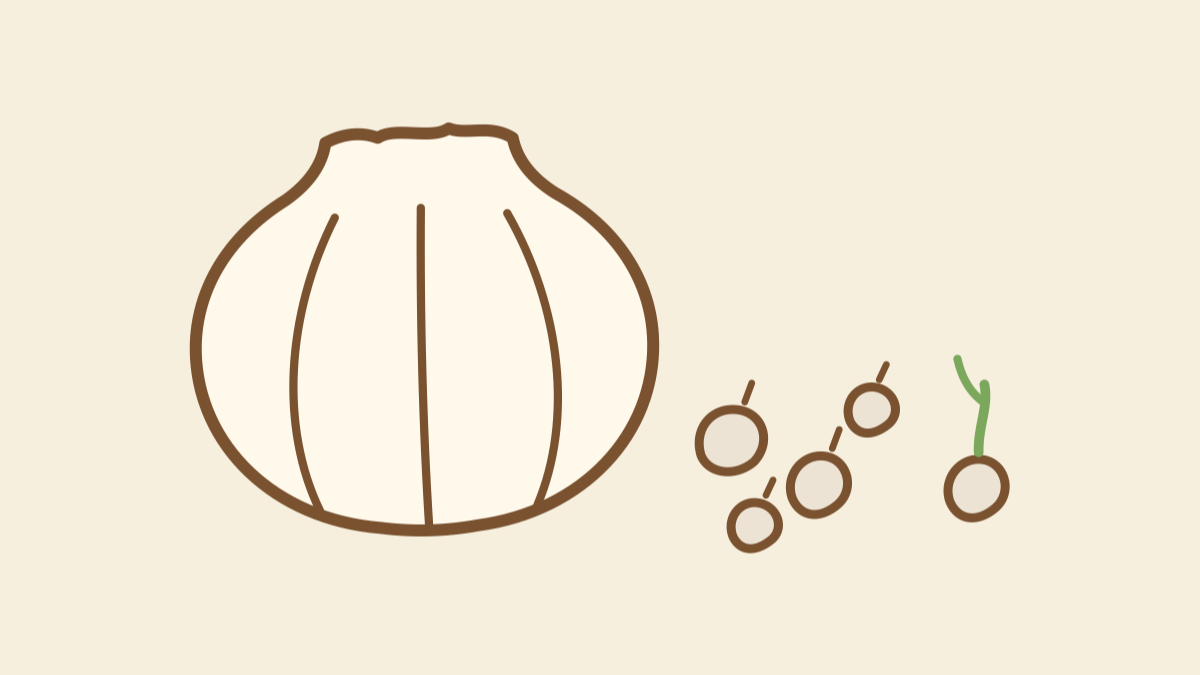
Save the best for planting. If you grow, set aside the biggest, soundest bulbs at curing time — those cloves are next year’s seed, planted per the October window. Clove size in is bulb size out.
The short version
- July. Bottom leaves yellow + plant leaning = lift a test bulb.
- Fork well back, lever gently, keep stem and roots on, don’t wash.
- Cure 2–4 weeks, dry and airy — done when it rustles.
- Whole cured bulbs keep 2–3 months, cool-dry-dark. Never the fridge.
If your harvest reads more “disappointing golf ball” than monster, the problems guide diagnoses why. If you’d rather someone else did the digging and curing, the July culinary drop ships barn-cured bulbs to your door — and the seed drop supplies next autumn’s planting.