Elephant garlic corms, rounds & other surprises
Elephant garlic is a forgiving crop, but it has a talent for surprises: you plant a clove expecting a monster bulb and dig up a solid ball, or a bulb wearing a necklace of strange woody nuggets, or leaves that turned yellow in May and caused a small panic. Almost all of it is normal, most of it is useful, and nearly everything is still edible. This is the diagnosis room.
What’s wrong with mine?
Rounds: the “failure” that’s actually a strategy
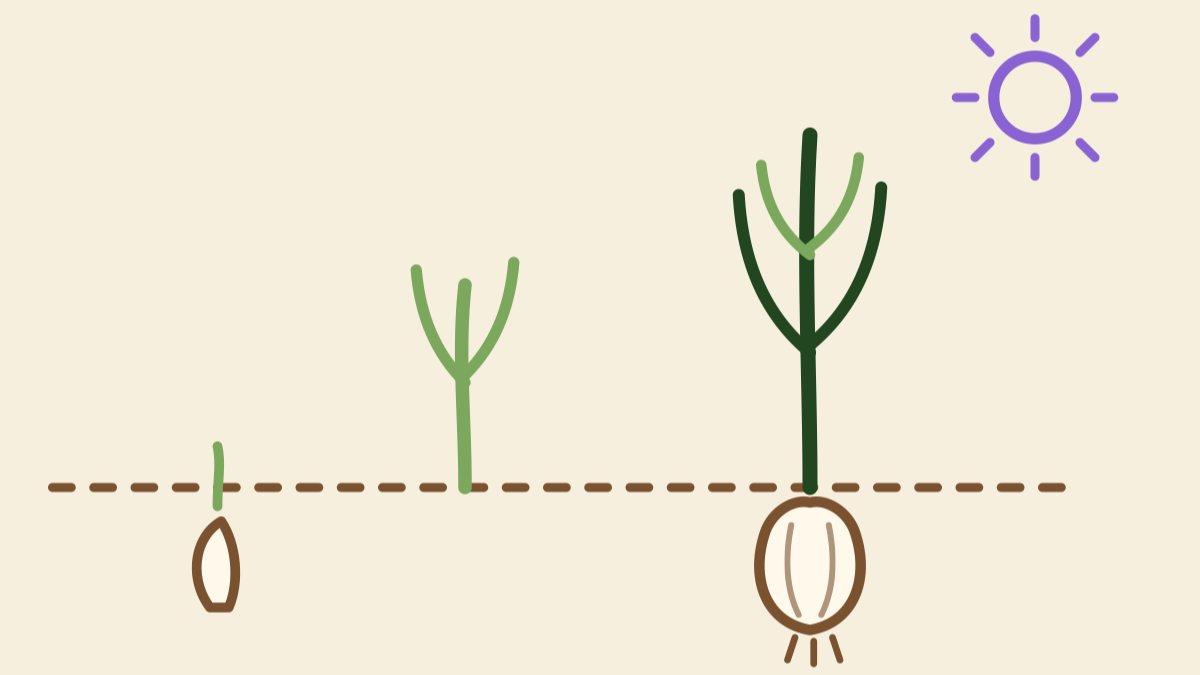
A round is what you get when a clove grows all season without dividing: one solid, smooth ball of garlic, anywhere from golf-ball to cricket-ball size. The cause is missed vernalisation — the winter cold that tells the plant to split — which is why spring planting is the classic route to rounds.
Two things make rounds better than their reputation. In the kitchen, they’re a treat: all the mild sweetness, zero peeling of individual cloves — some cooks buy them on purpose. And in the ground, a round is a savings account: replant it whole in October and it almost always comes up as a full multi-clove bulb the following July, bigger than a clove-grown one. A round isn’t a failed harvest; it’s half a harvest and next year’s head start.
(“Monobulb” and “solo garlic” are the same phenomenon in true garlic — if you’ve seen those neat single balls in Asian grocers, that’s the idea.)
Corms: the strange free gift
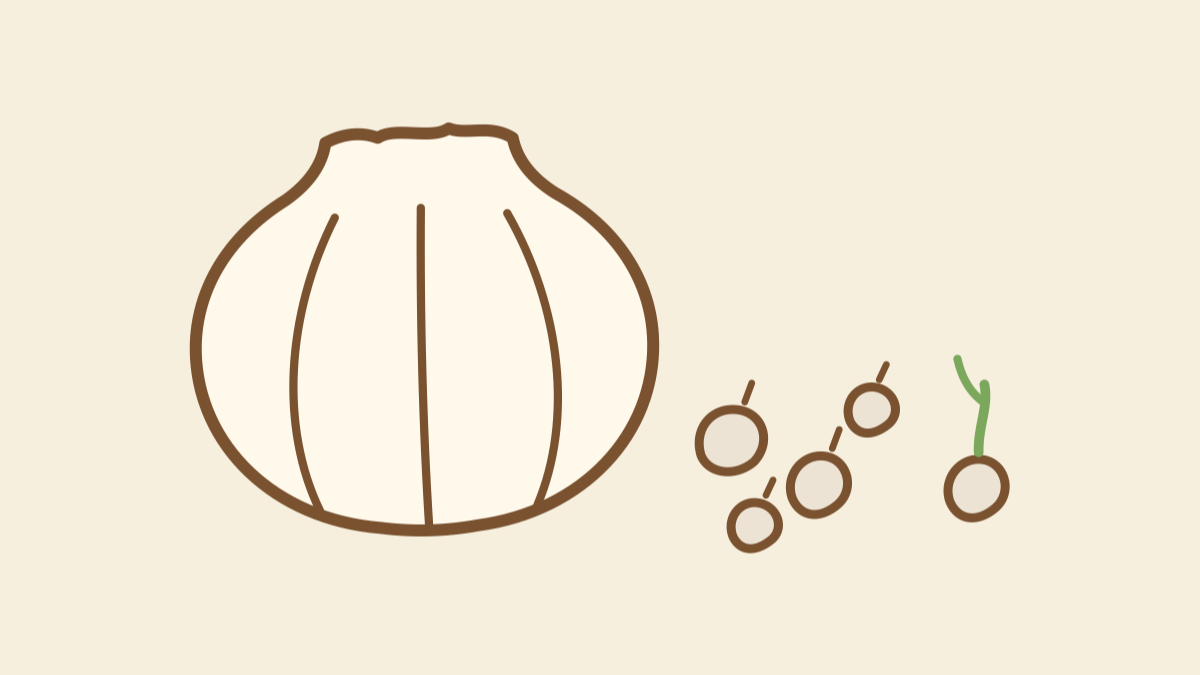
Dig up a mature bulb and you’ll often find corms clinging around its base — anywhere from two or three to a dozen hard, yellowish nuggets in woody shells, looking more like something a squirrel buried than anything from the allium family. People find them genuinely baffling; they’re simply the plant’s second reproductive route (the flowers rarely set seed, so the corms carry the line).
To use them: crack nothing, peel nothing — plant them as they are, 5cm deep, in autumn, and be patient. Year one: a round. Year two: a full bulb. It’s the slow, free way to turn one bought bulb into a bed’s worth of stock — the two-year corm route versus the one-year clove route is the classic grower’s trade-off between money and time. (Fat cloves remain the fast lane: the seed drop sells exactly those.)
The two problems that are actually problems
Ninety percent of “what’s wrong with my elephant garlic” is the harmless stuff above. The two worth genuine respect:
- Waterlogging. The one reliable killer. Cloves rot in cold, wet ground before spring. Free-draining soil, ridges or raised beds if your plot puddles — this is decided at planting time, not rescued in March.
- White rot. The serious allium disease: fluffy white mould at the base, yellowing whole plants that lift with no roots. Rare in gardens, but if you get it, don’t replant any allium in that spot for many years — the spores wait. (Rust, by contrast, is cosmetic; see the diagnoser above.)
The short version
- Solid ball = round: missed winter chill. Eat it, or replant in October for a proper bulb.
- Woody nuggets = corms: free planting stock on a two-year plan.
- Yellow leaves in summer = harvest time; in spring = check drainage.
- Rust looks bad, isn’t. Waterlogging looks like nothing, is.
If this year’s crop came up strange, the fix starts with better stock: hand-graded fat cloves, in the ground by November. And the full season’s method — the one that avoids most of this page — is in how to grow elephant garlic in the UK.