When to plant elephant garlic in the UK
Plant elephant garlic in the UK between early October and mid November. The clove needs six to eight weeks to put roots down before the ground goes cold, and then it needs the cold itself — a proper winter chill is what tells the plant to split into a bulb of fat cloves rather than one solid round. Get it in the ground in autumn, and by the following July you’ll be lifting something absurd.
That’s the whole answer. Here’s the reasoning, the edge cases, and a checker for whichever month you’re reading this in.
Can I plant right now?
Tap a month for the honest verdict.
Why autumn? The cold isn’t a problem — it’s the mechanism
Elephant garlic needs vernalisation: a sustained spell below roughly 10°C that flips its internal switch from “grow one storage ball” to “divide into cloves”. A UK winter provides this for free, which is why the crop suits this climate so well. Skip the winter — by planting in spring — and the plant grows perfectly happily but matures as a round: a single, solid, clove-less ball. Edible, even prized by some cooks, but not the monster you were promised. (Rounds have their own uses; the corms & rounds guide covers them.)
The second half of the argument is roots. A clove planted in October establishes its root system in the still-warm soil, sits tight through winter, then explodes into growth in spring. That head start is most of the size difference between an autumn monster and a spring also-ran.
So the answer to “can elephant garlic be planted in spring?” is: you can, but you shouldn’t expect bulbs. Autumn wins, every time.
The quick-reference card
- When: early October – mid November
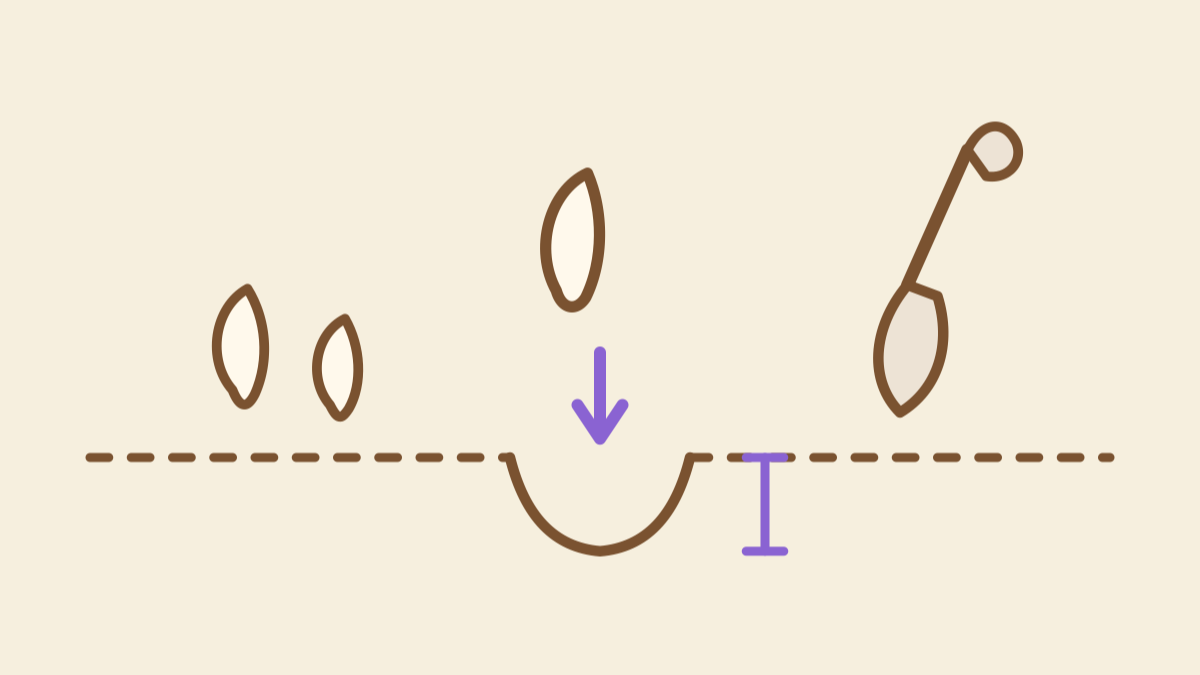
- Depth: 5cm, pointy end up
- Spacing: 20cm apart, rows 30cm
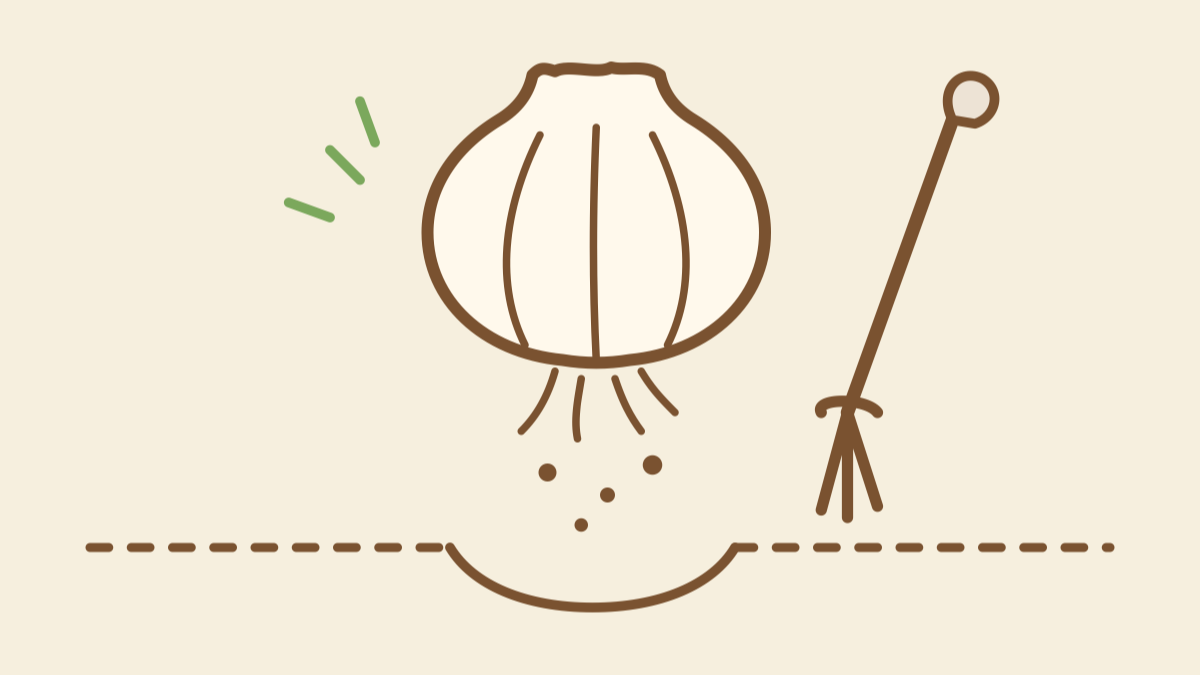
- Soil: free-draining, full sun, handful of compost in the hole
- Water: only in dry spells, April–June
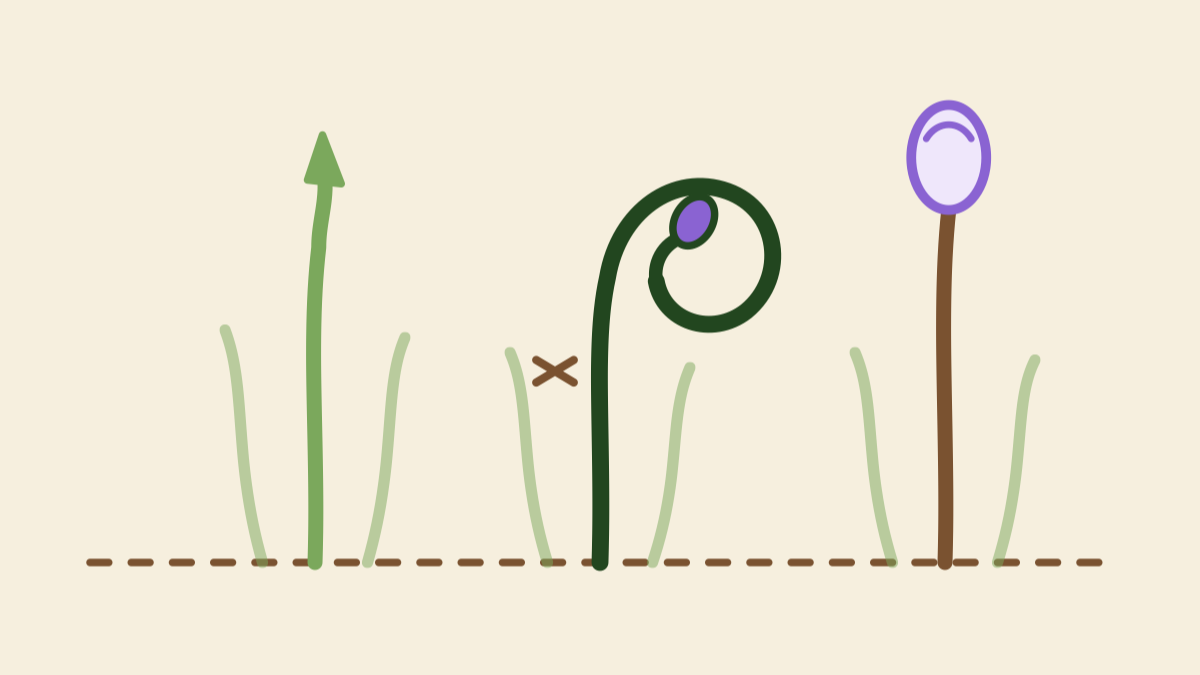
- Then: snap the scapes in late May · lift in July
Pots, corms, and other edge cases
Can it be grown in pots? Yes — one clove per pot, minimum 30cm wide and deep, free-draining compost, and don’t let it sit wet over winter. Pot-grown bulbs run smaller than open-ground ones, but a windowsill-less renter can still grow something outrageous on a doorstep.
Planting corms — the small, hard offsets that come off a mature bulb — happens on the same autumn schedule, but they take a different route: most spend their first year becoming a round, then split into a proper bulb the year after. A two-year project, covered properly in the corms guide.
Where to plant matters as much as when: the sunniest, best-drained spot you’ve got. Waterlogged winter soil is the one thing that reliably kills the crop — if your ground puddles, plant into a ridge or raised bed.
The short version
- October to mid November. That’s the window.
- The clove needs winter cold (vernalisation) to split into cloves — spring planting gives you rounds instead.
- 5cm deep, 20cm apart, pointy end up, sun, drainage.
- Order cloves well ahead: seed stock sells out before the window opens.
Speaking of which — the autumn seed drop is open now: hand-graded cloves from the season’s biggest British-grown bulbs, dispatched late September so they’re in your hands exactly when this article says to plant them. The full season, month by month, lives in how to grow elephant garlic in the UK.