Elephant garlic flowers, scapes & bolting
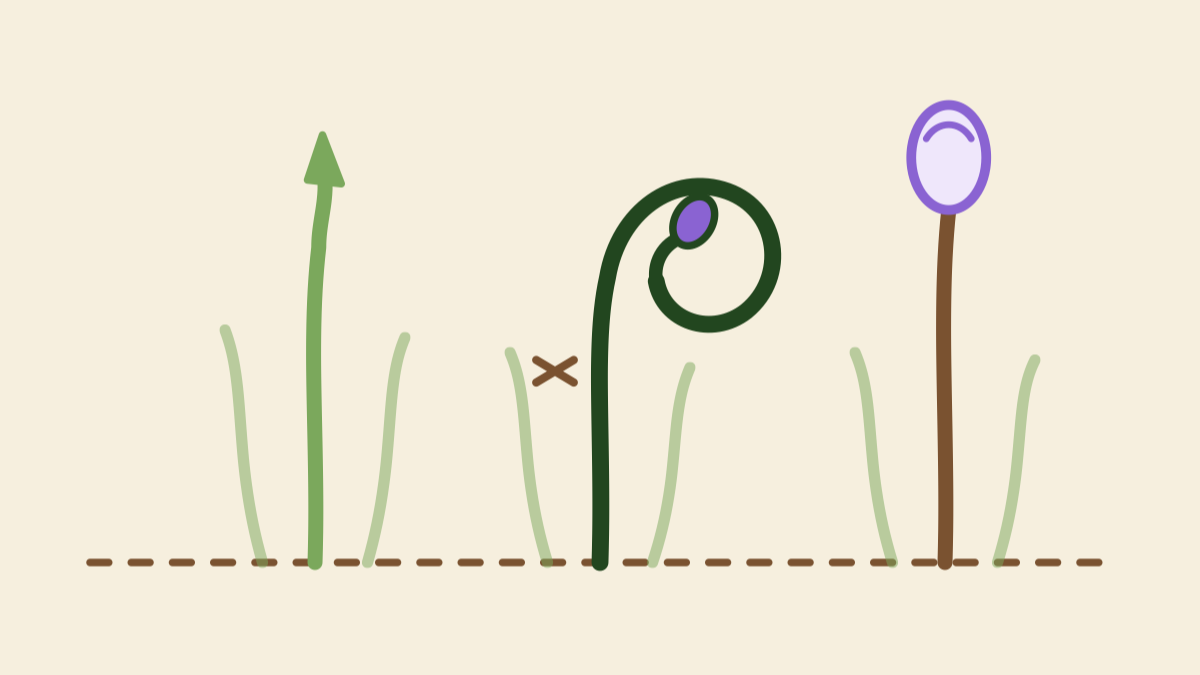
Around late May, every well-grown elephant garlic plant sends up a thick central stalk with a pointed bud on top: the scape, the plant’s attempt to flower. You have two jobs. One: cut it — every gram the plant spends on a flower is a gram it doesn’t spend on the bulb. Two: absolutely do not compost it, because the scape is a delicacy chefs genuinely fight over, and you can’t buy it in any supermarket.
Flowering isn’t a problem or a disease — people worry that a flowering plant has “bolted” and is ruined. It hasn’t. It’s just a plant doing what plants do, and interrupting it is both good farming and good cooking.
When to cut: read the curl
- Stage 1 — straight and young. Leave it; it’s still tender but tiny, and cutting this early gains nothing.
- Stage 2 — one full curl. The moment. The stem is at maximum tenderness, and removing it now redirects everything into the bulb for its final swell. Snap it by hand where it meets resistance, or cut above the top leaf.
- Stage 3 — straightening again, bud swelling. The stem is turning woody and the plant has spent energy you can’t refund. Still cut it (the top half may still be tender; the bud itself is edible), but next year, aim for stage 2. If it fully blooms you get a striking purple globe the bees adore — glorious in a vase, expensive for the bulb below.
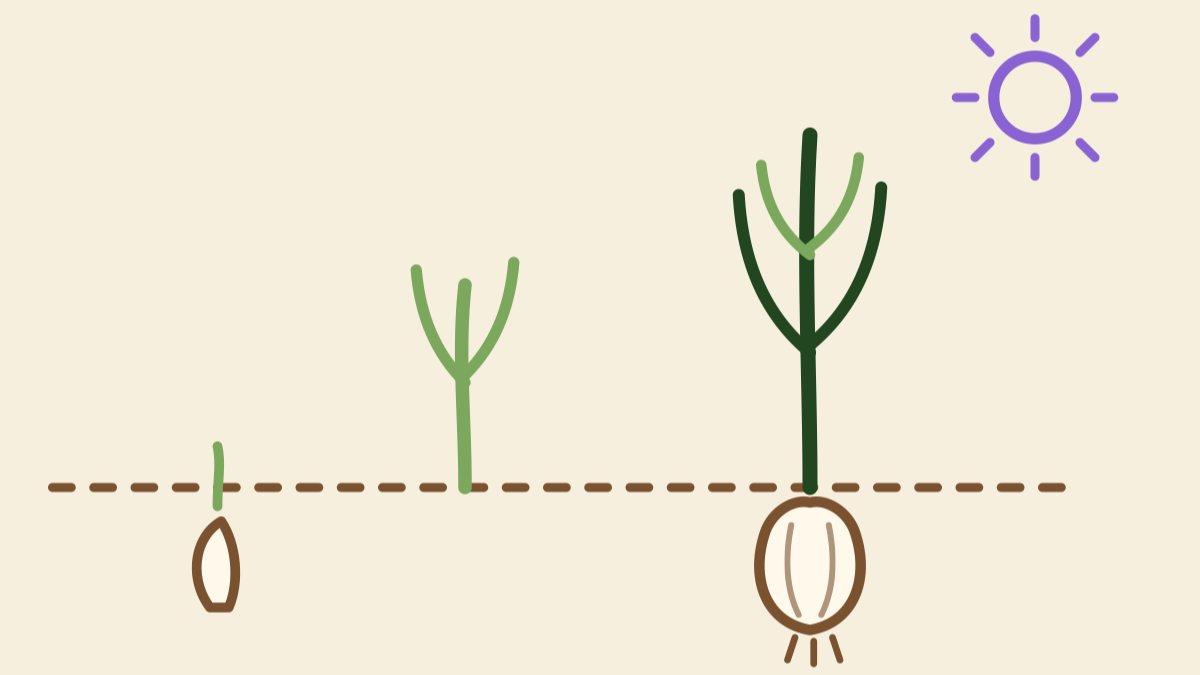
Cutting the scape can add noticeably to final bulb size — it’s the single most profitable thirty seconds in the growing year. Bulbs get lifted about four to six weeks later, when the leaves start to yellow.
Are they edible? (Scapes, buds, flowers, leaves)
Scapes — emphatically. Mild, crunchy, somewhere between asparagus and spring onion with a garlicky hum. The unopened bud is edible too, papery sheath removed. Open flowers are edible garnish. The leaves are technically edible when young but coarse and not worth the plate space — the scape is the prize.
Three ways, in order of house preference:
- Griddled whole — oil, salt, a screaming-hot pan or barbecue, two minutes a side until blistered. Eat like asparagus.
- Scape pesto — the best pesto of the year: rough-chop a bunch, blitz with olive oil, parmesan, toasted nuts, lemon. Freezes beautifully, which matters, because the season is a fortnight. Full method and quantities: the scape pesto recipe.
- Pickled — cut to jar length, hot brine (equal vinegar and water, a spoon of sugar and salt), keep in the fridge; excellent inside a cheese sandwich for months.
More on where scapes fit in the kitchen repertoire in the recipes guide.
A note on “going to seed”
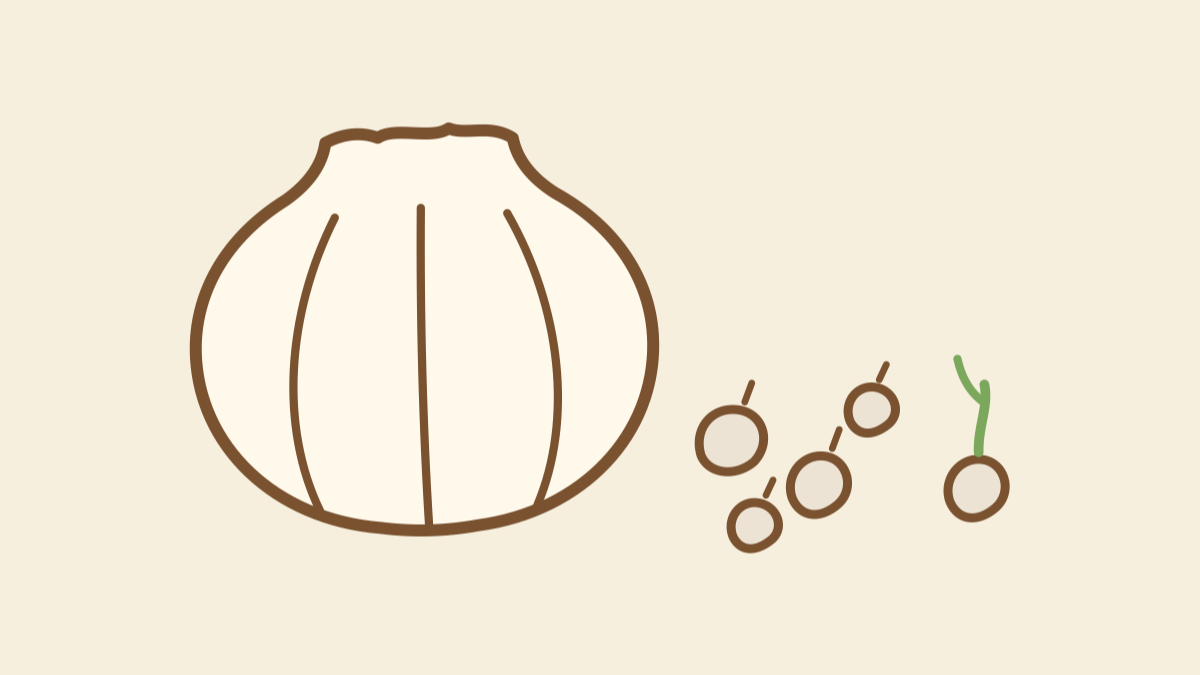
Elephant garlic flowers rarely set viable seed — the plant reproduces through its cloves and through corms, the little bulbils at the base. So letting it bloom doesn’t give you seeds to sow; it just costs you bulb. One more reason the vase is a better home for a missed scape than the plant is.
The short version
- The flower stalk is the scape: cut it at one full curl (late May) for bigger bulbs and a free delicacy.
- Flowering ≠ ruined. Cut and carry on.
- Griddle, pesto, or pickle — the season’s a fortnight, the pesto freezes.
- No viable seed comes from the flower; the cloves are the future.
Scape season is chef season — restaurants can get first refusal via the wholesale page. And every scape starts with a clove in the ground in October: the seed drop is here, method here.