What is elephant garlic? The complete guide
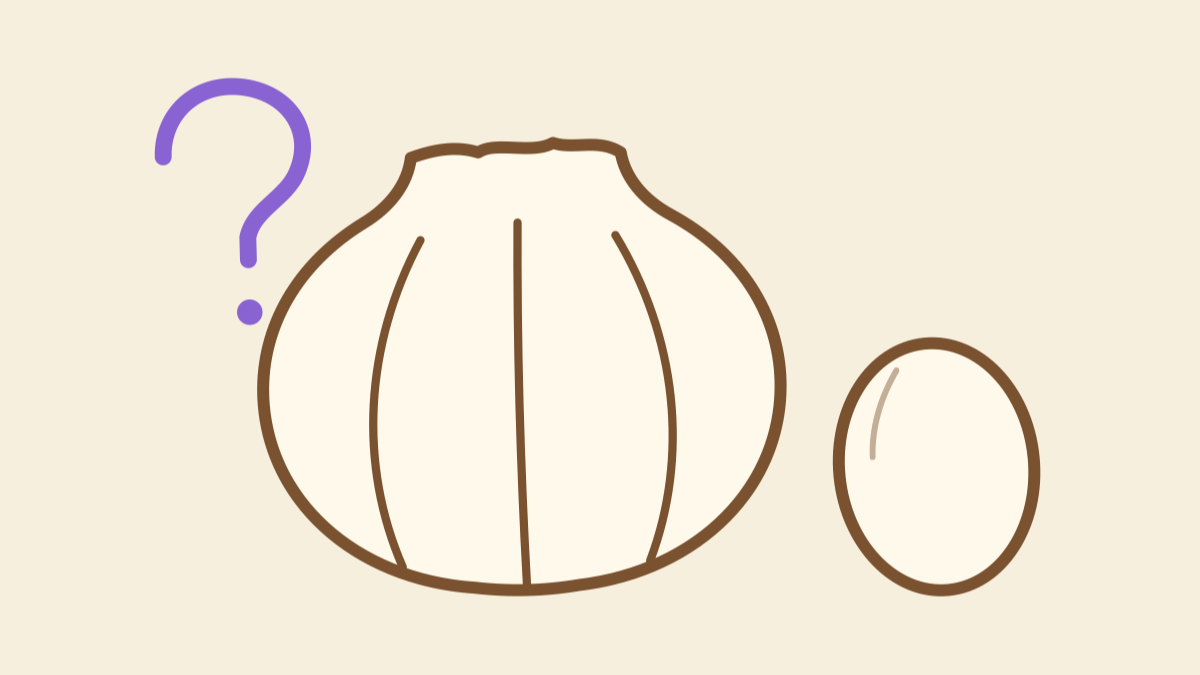
Elephant garlic (Allium ampeloprasum) is not actually garlic. It’s a giant cousin of the leek that grows a bulb three or four times the size of the garlic in your supermarket — typically 7–10cm across and 300–500g, with the real monsters hitting 900g — and a flavour so mild you can roast a whole clove and spread it on bread like butter.
That one paragraph answers most of the internet’s questions about it. The rest of this guide covers the details: the botany, the taste, where it came from, whether it’s good for you, and why one Lincolnshire field is now devoted to it.
So it’s a leek with ambitions?
Botanically, yes. True garlic is Allium sativum. Elephant garlic is Allium ampeloprasum — the same species as the garden leek, which is why the flavour is gentler and the plant grows tall, flat, blue-green leaves that look exactly like a leek’s. Some catalogues list it as Allium ampeloprasum var. ampeloprasum, and in Italy a close relative goes by aglione (“big garlic”), prized for pasta sauces in the Val di Chiana.
You’ll occasionally see it miscalled “elephant ear garlic” — same plant, wrong name. And no, there’s no elephant involved anywhere. The name is purely about the size. (For the full head-to-head with true garlic — flavour, chemistry, price, when to use which — see elephant garlic vs garlic.)
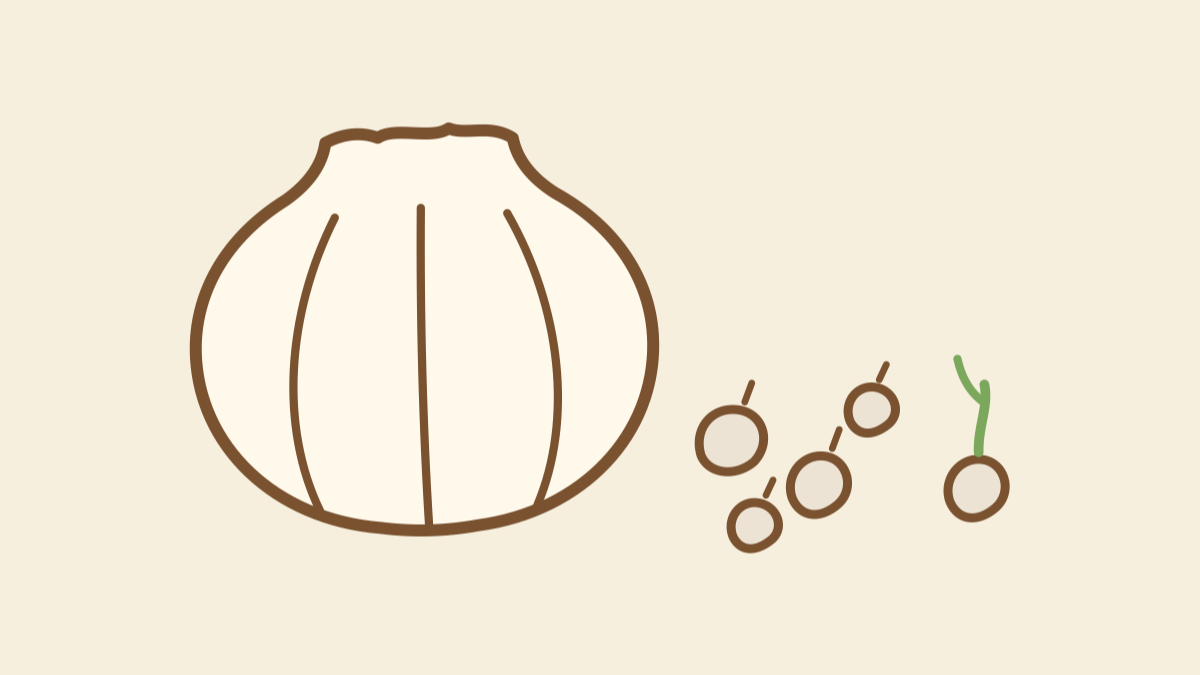
Each bulb splits into 4–6 enormous cloves, each one bigger than an entire bulb of supermarket garlic. Around the base it also grows a handful of small, hard-shelled offsets called corms — strange little things with their own field note.
How big is it, really?
The numbers, side by side:
| Elephant garlic | Regular garlic | |
|---|---|---|
| Bulb width | 7–10cm | 4–6cm |
| Bulb weight | 300–500g typical (900g possible) | 40–80g |
| Cloves per bulb | 4–6, thumb-sized | 10–20, fingertip-sized |
| One clove covers | A whole roast dinner | One pan |
What does elephant garlic taste like?
Mild, sweet and gently savoury — much closer to a roasted leek or a soft onion than to the sharp heat of true garlic. Raw, it has a crisp bite with a whisper of garlic warmth; roasted, it collapses into something creamy and spreadable with no harshness at all. If you want your eyes watering, buy normal garlic. If you want to eat garlic by the forkful, this is the one.
That mildness is chemistry: elephant garlic produces less allicin — the compound behind true garlic’s burn — which is exactly why it can carry a plate instead of dominating it. Cooks who find regular garlic repeats on them often get on fine with elephant garlic for the same reason.
There are two kitchen quirks worth knowing. Cut or crushed elephant garlic can turn blue or green in acidic dishes — startling, harmless, and explained in the recipes guide. And overcooked at high heat it can turn bitter, which is why low-and-slow is the house style: see how to roast it whole.
Where does it come from?
The species grows wild across southern and western Europe — including, surprisingly, along the coasts of Cornwall and south-west England, where feral populations have naturalised. It’s been at home in British kitchen gardens for generations, travelled to America with European settlers, and was popularised commercially from the US Pacific Northwest in the twentieth century. So while the name sounds like a novelty, the plant is an old friend of exactly this climate — which is why it thrives in an open Lincolnshire field with no cosseting.
Is elephant garlic good for you?
It’s a vegetable, so broadly yes: low in calories, a source of vitamin C, B6 and manganese, with the allium family’s usual sulphur compounds — just less allicin than true garlic, as above. Approximate figures per 100g (raw):
| Per 100g (raw) | Approx. |
|---|---|
| Calories | ~140 kcal |
| Carbohydrate | ~31g |
| Protein | ~6g |
| Fat | <1g |
| Vitamin C | ~30% of daily reference intake |
Three honest health notes rather than marketing ones:
- If you eat it for the medicinal allicin, true garlic delivers more. Elephant garlic is the culinary choice, not the supplement.
- Low-FODMAP it is not. Like all alliums it contains fructans, so it isn’t suitable for strict low-FODMAP diets.
- Keep it away from dogs (and cats). All alliums — garlic, onions, leeks, and this one — are toxic to pets, and a clove this size is a big dose for a small dog. If a pet eats some, call your vet.
Growing it vs eating it
Elephant garlic leads a double life, and the UK market has historically only served half of it.
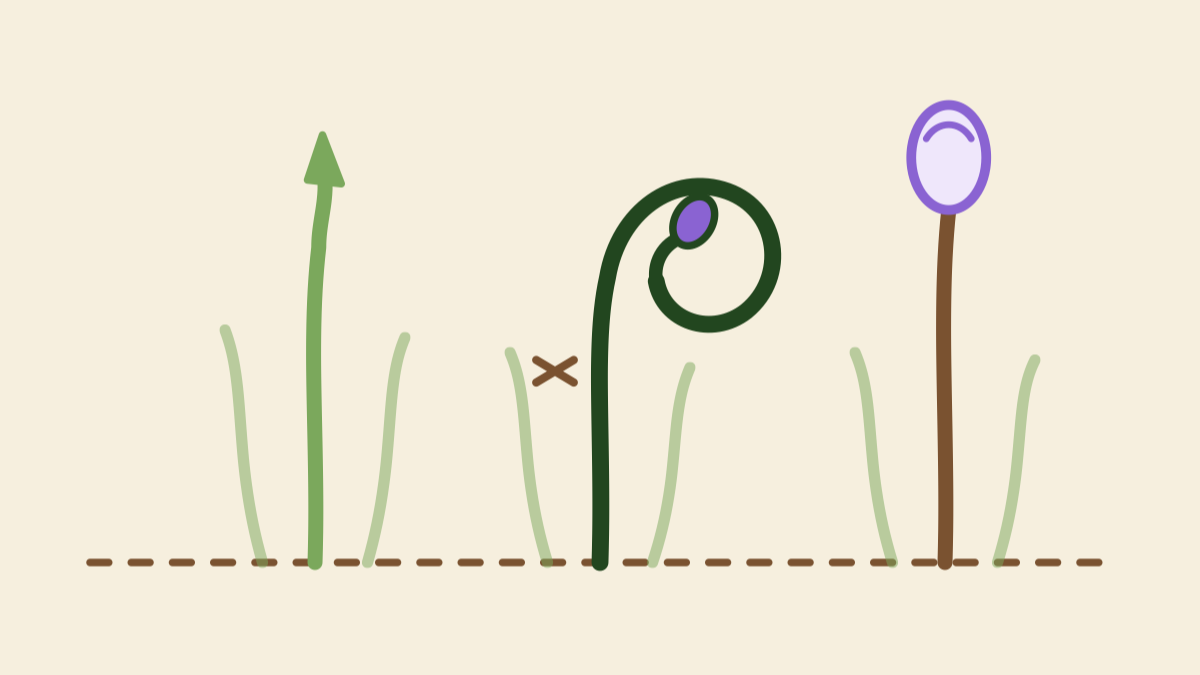
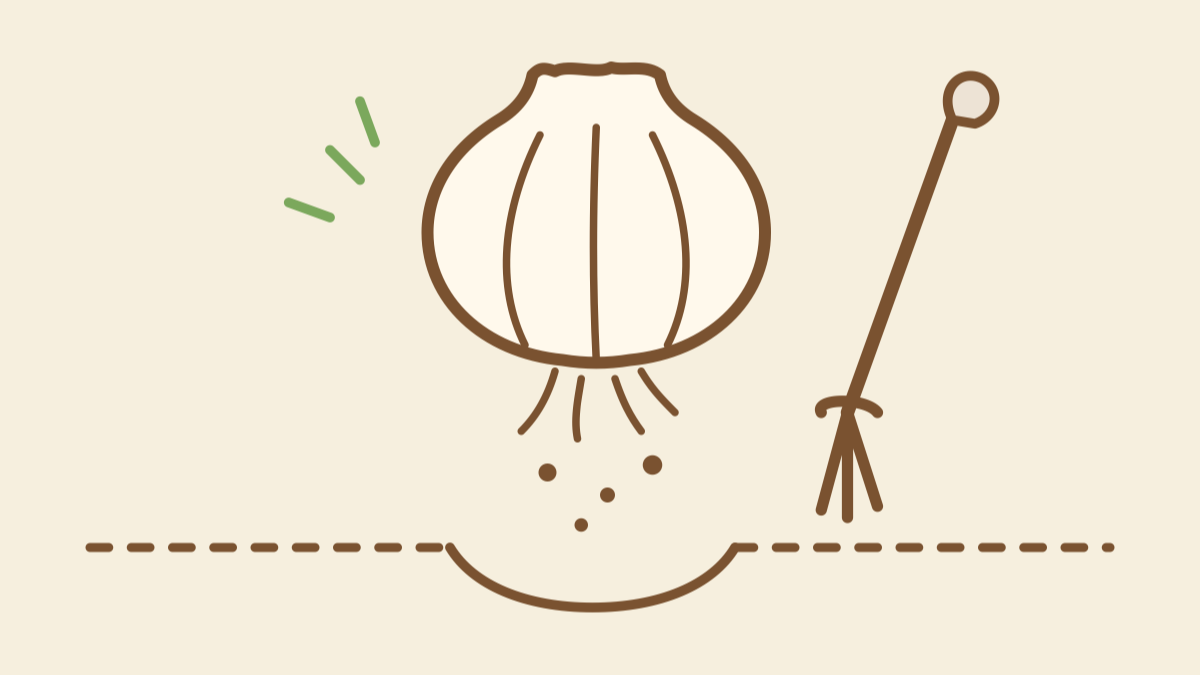
Growers plant individual cloves in October–November; each one needs winter cold in the ground, then swells into a full bulb by the following July. It’s genuinely one of the easiest impressive crops there is — the full method is in how to grow elephant garlic in the UK, and when to plant matters more than anything else you do. Along the way it throws up curly flower stems called scapes — a chef’s delicacy you cannot buy in a supermarket.
Cooks have had a harder time of it: almost nobody sells elephant garlic to eat. Supermarkets stock it rarely and randomly (here’s where to actually buy it), which is exactly the gap this field exists to fill — barn-cured culinary bulbs, shipped in the July drop.
The short version
- Elephant garlic is Allium ampeloprasum — a giant, mild cousin of the leek, not true garlic.
- Bulbs run 7–10cm and 300–500g (monsters hit 900g), with 4–6 thumb-sized cloves.
- It tastes mild and sweet — roast a clove whole and spread it like butter.
- Less allicin than true garlic: gentler on the palate and the digestion, but not the one for medicinal purists — and never for dogs.
- Plant it in October, lift it in July, or skip the wait and just eat the thing.
Want one in your kitchen? The July culinary drop is here. Want to grow a monster of your own? The autumn seed drop has hand-graded cloves, in the ground by November.